Home › Moons
Moons of the Solar System
From our own Moon to the volcanoes of Io and the methane seas of Titan: the moons of the Solar System are worlds in their own right. Here are the most important ones, arranged by planet.
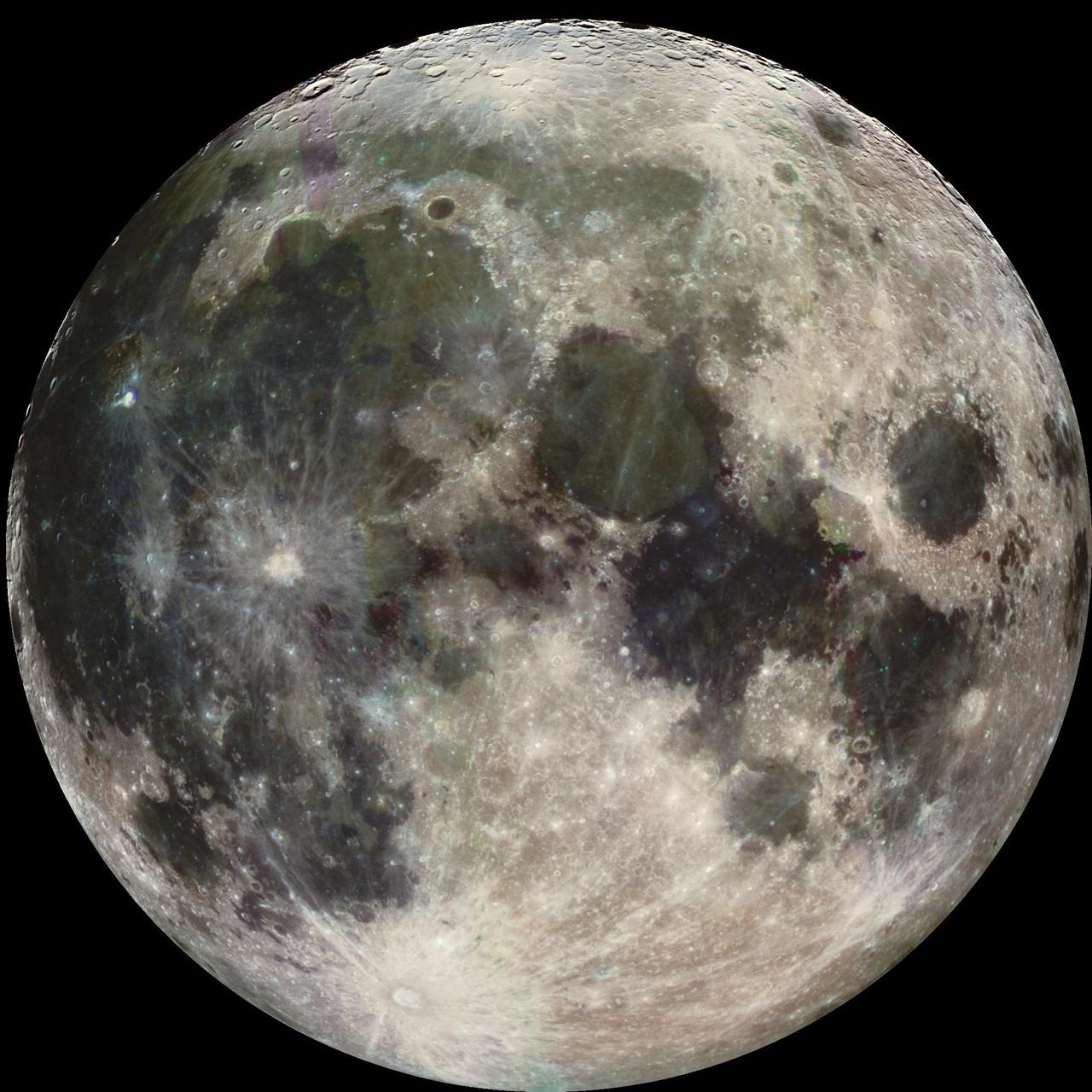
Earth’s Moon
Moons of Jupiter
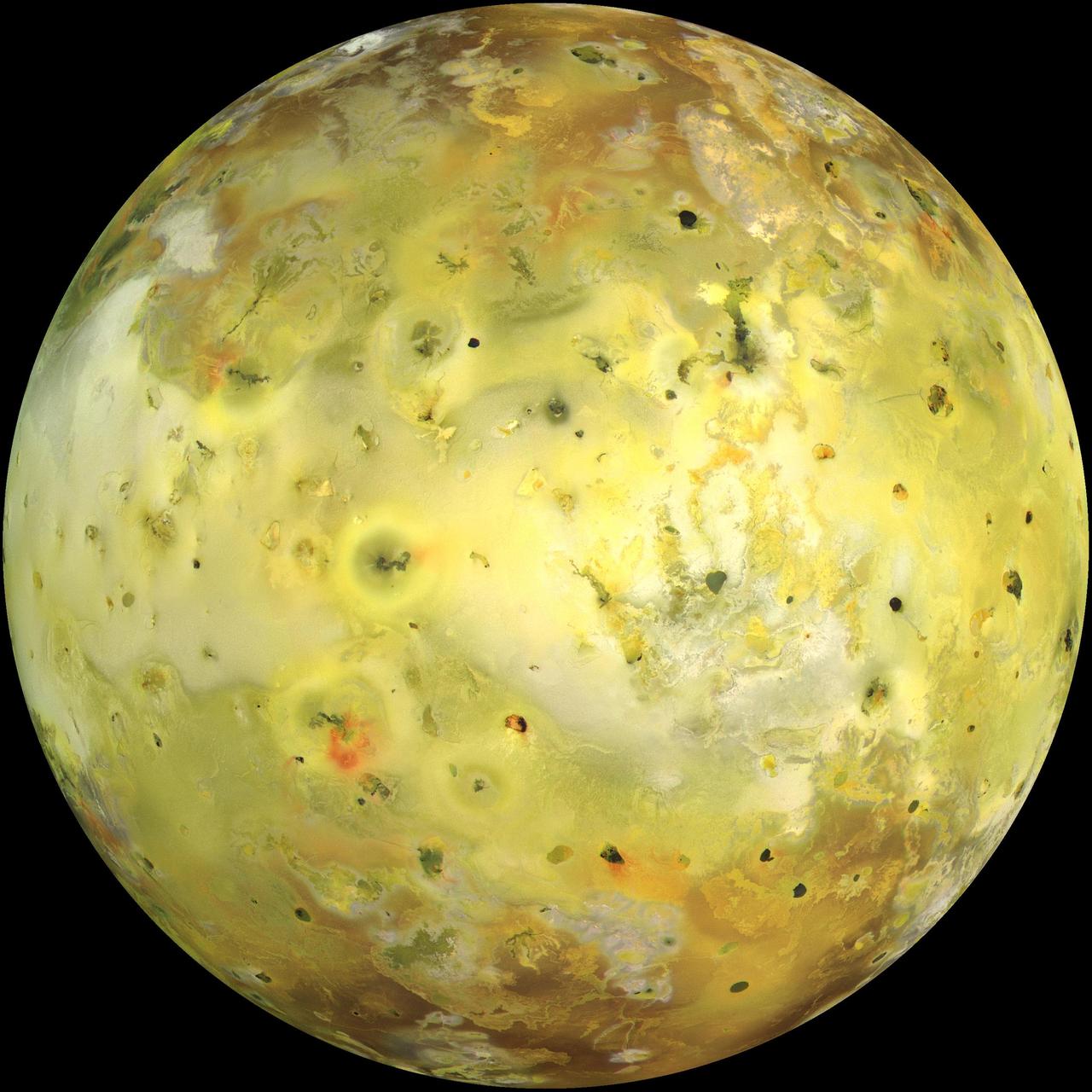 IoIo is the most volcanically active body in the entire Solar System, with hundreds of active volcanoes.
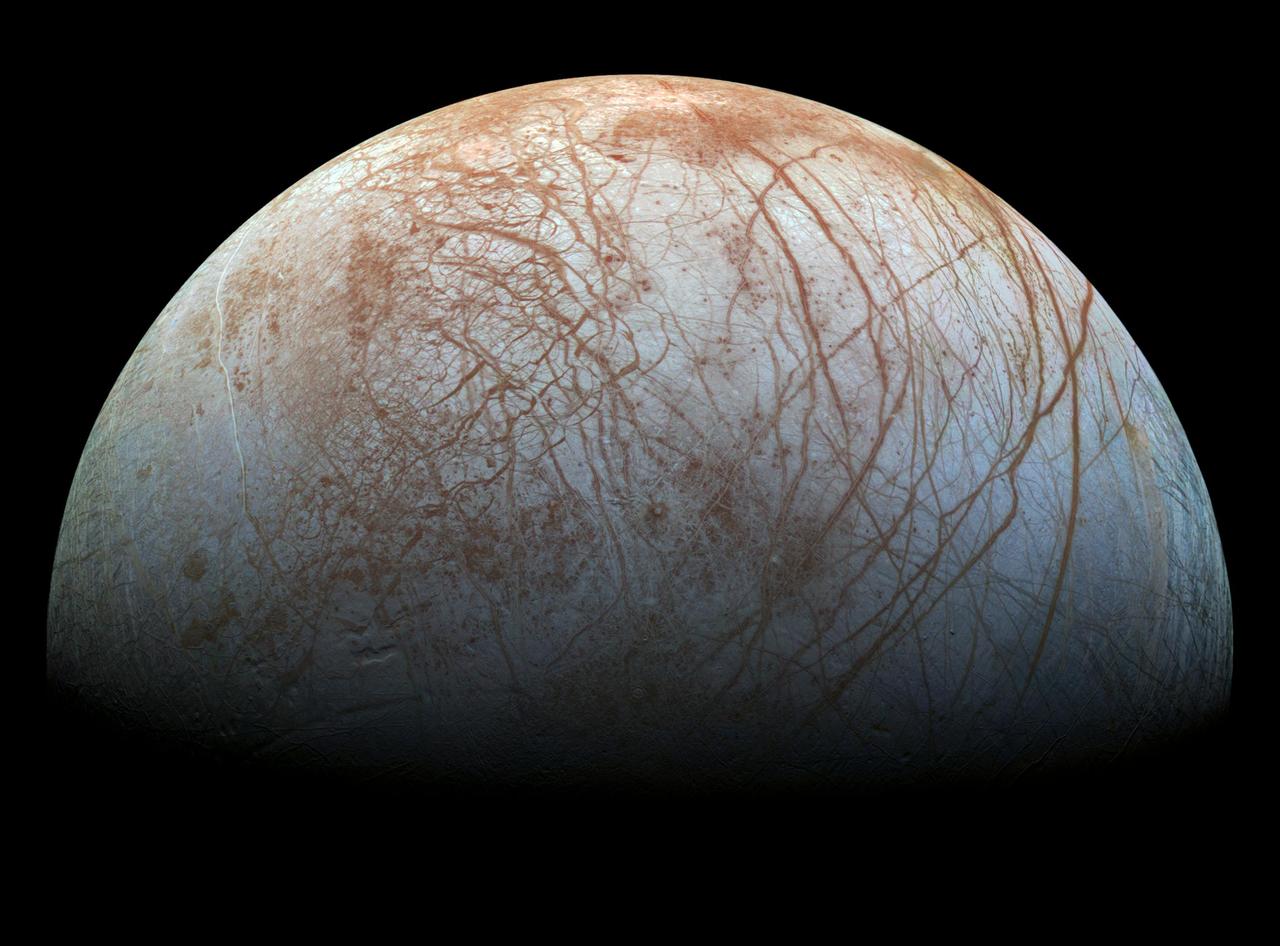 EuropaBeneath Europa's icy crust there is thought to be a global ocean of liquid water – with more water than all …
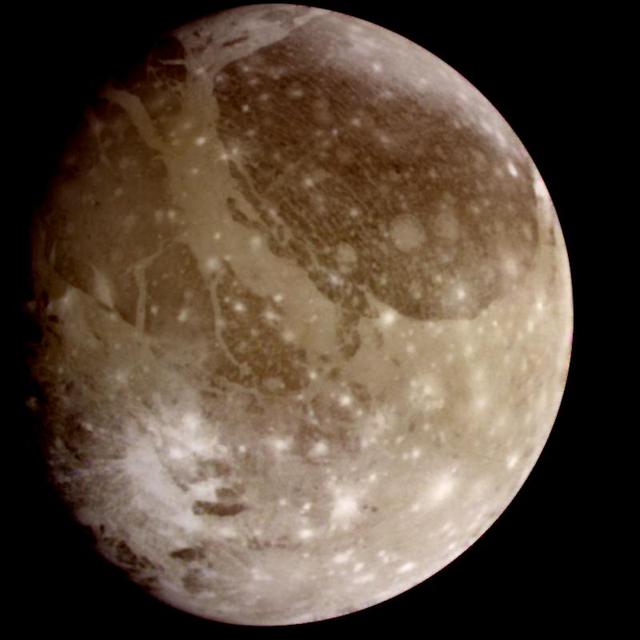 GanymedeGanymede is the largest moon in the Solar System – bigger than the planet Mercury.
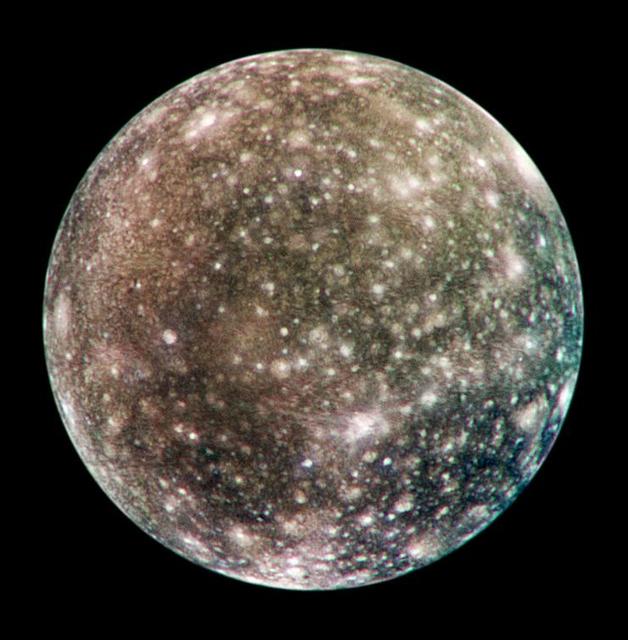 CallistoCallisto has the most heavily cratered surface in the entire Solar System.HimaliaHimalia is the largest of Jupiter's “irregular” moons, which circle far out on tilted, elongated orbits.ElaraElara was also discovered by Charles Perrine, in 1905, a year after Himalia.PasiphaePasiphae orbits Jupiter “the wrong way round” (retrograde) – a clear sign that it was captured.CarmeLike Pasiphae, Carme orbits Jupiter retrograde, and it gives its name to the Carme group.
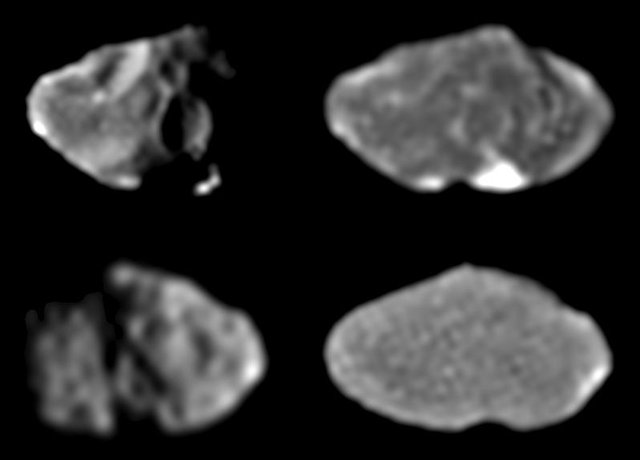 AmaltheaAmalthea is one of the reddest objects in the Solar System – probably because of sulphur drifting over from …
Moons of Saturn
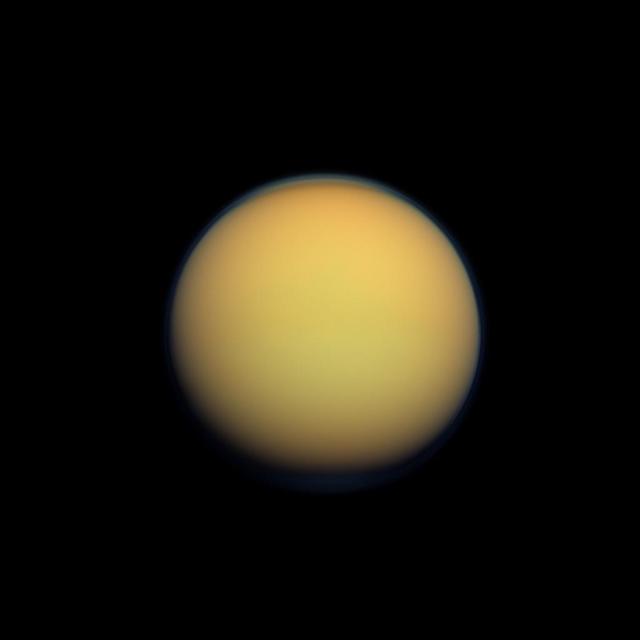 TitanTitan is the only moon in the Solar System with a dense atmosphere – denser even than Earth's.
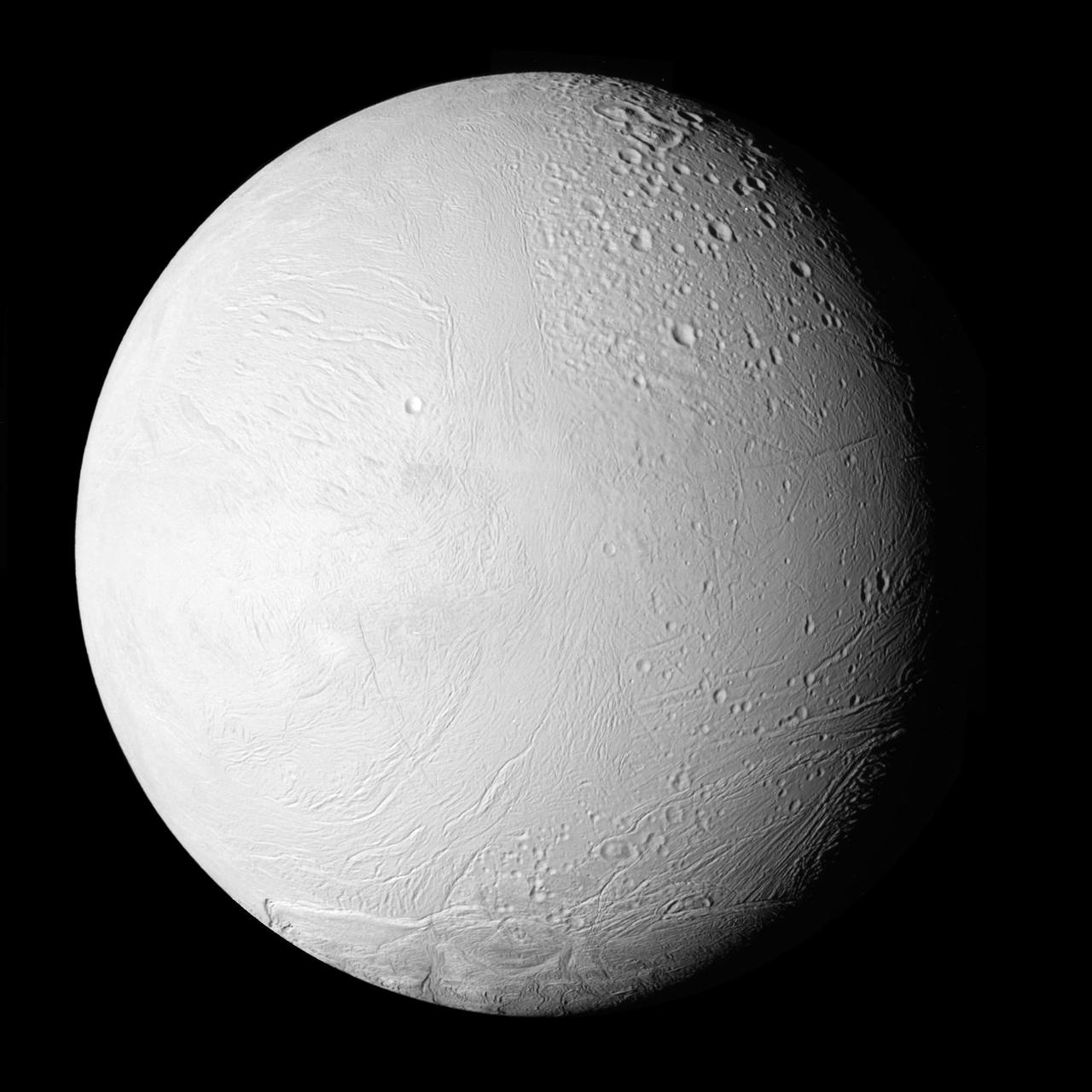 EnceladusEnceladus shoots huge fountains of water vapour and ice into space from cracks at its south pole.
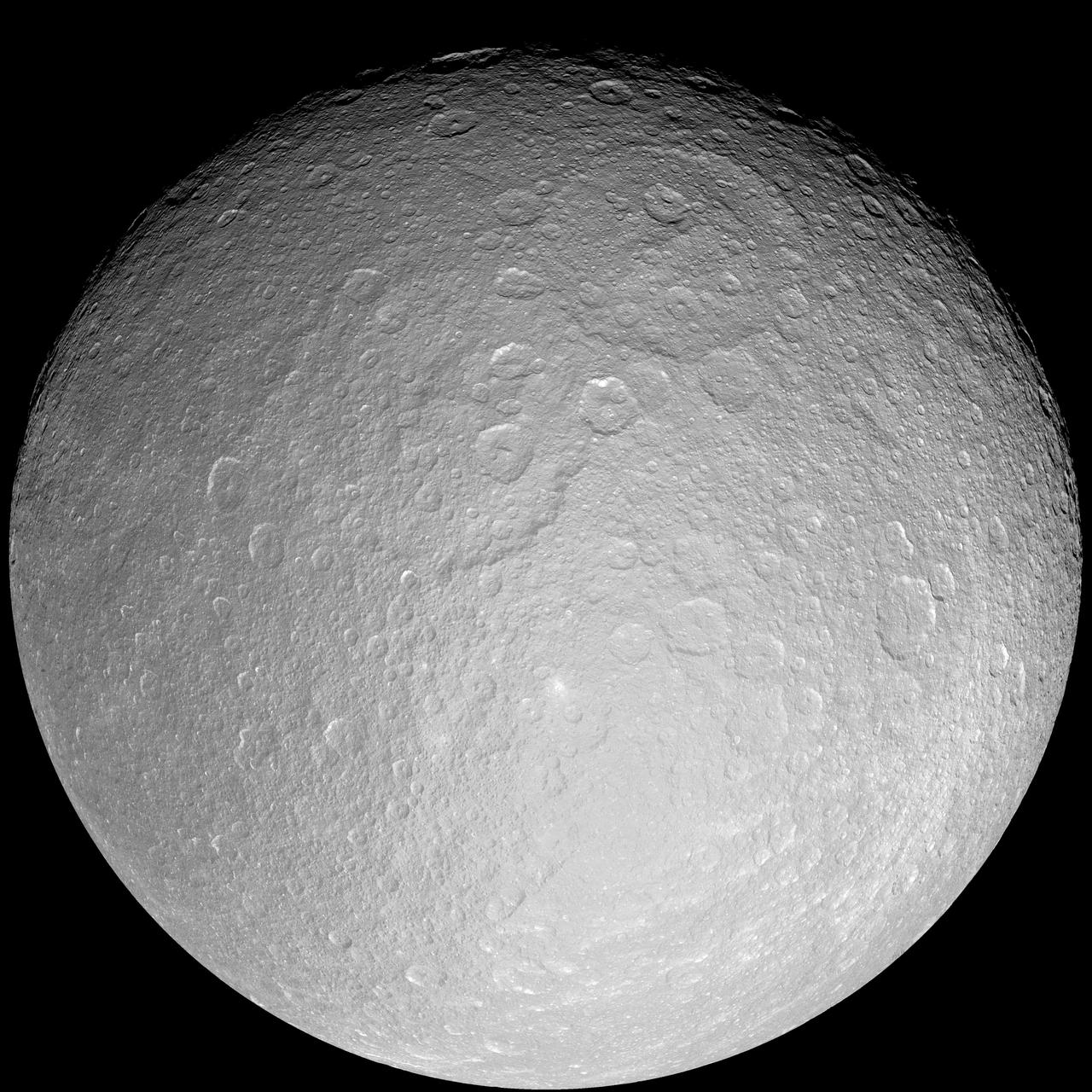 RheaRhea is Saturn's second-largest moon after Titan.
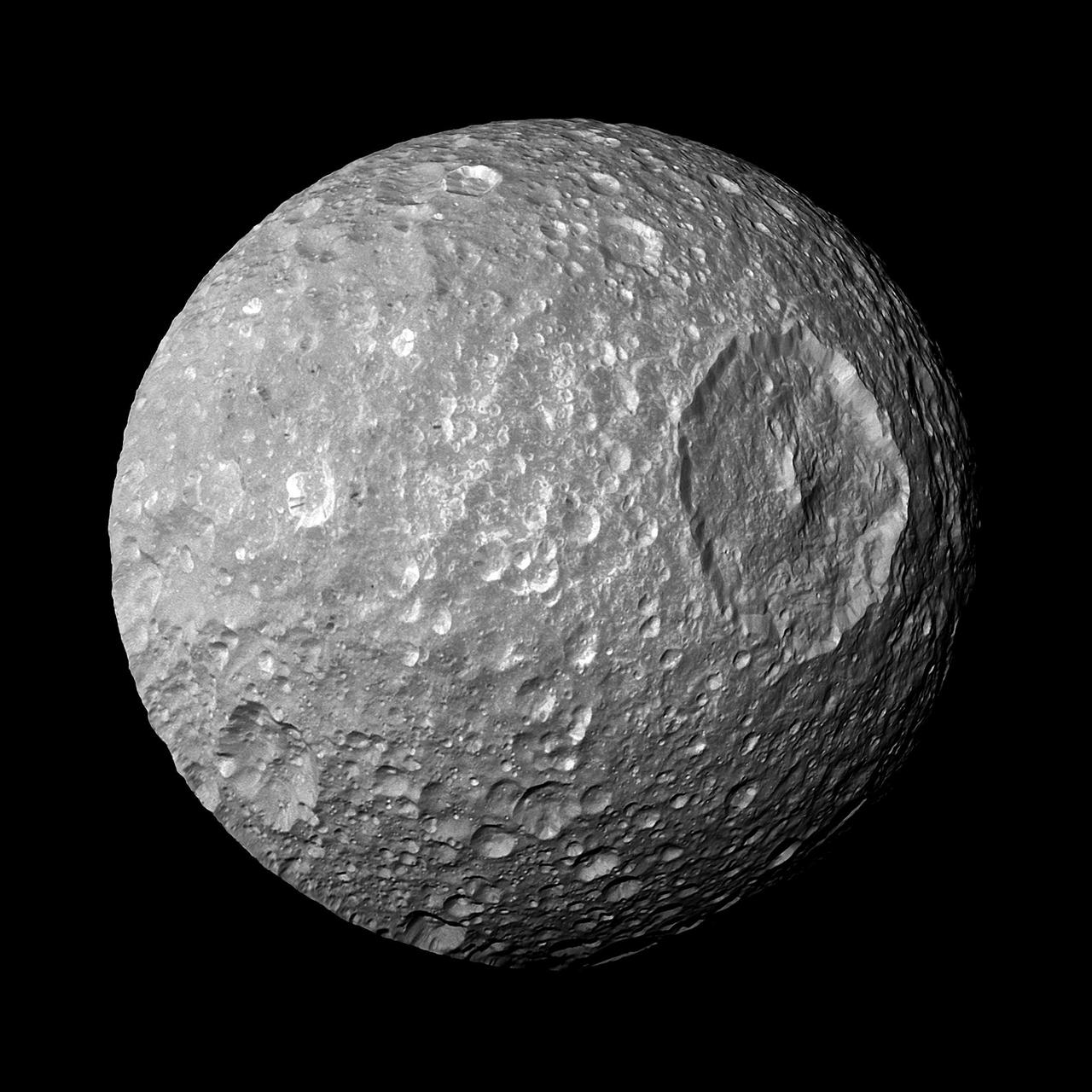 MimasIts giant crater Herschel (130 km, a third of the moon) makes Mimas look like the “Death Star” from Star Wars.
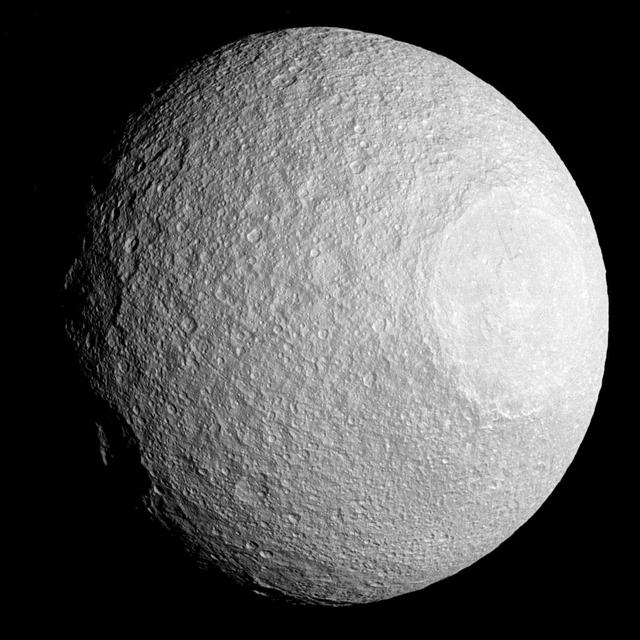 TethysTethys is made almost entirely of water ice – it is barely denser than water.
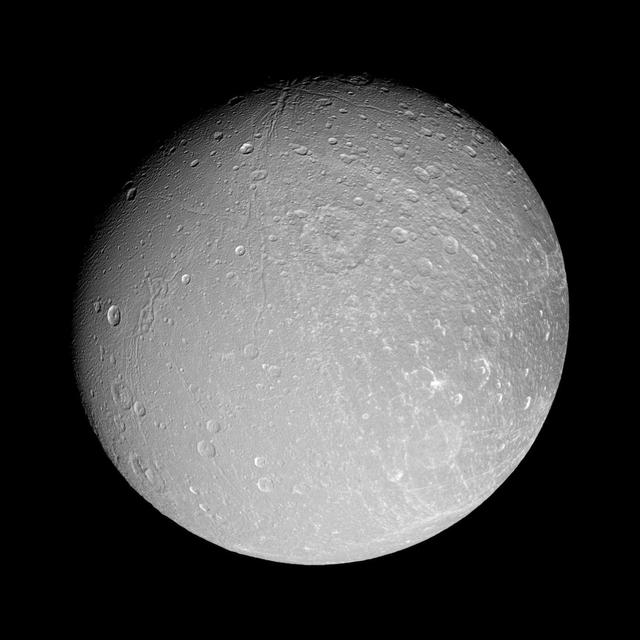 DioneThe bright “wisps” on Dione are in fact ice cliffs hundreds of metres high.
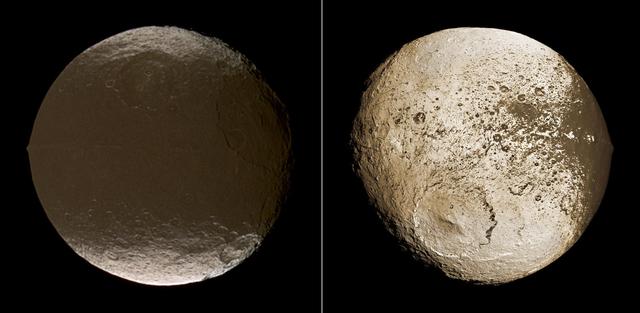 IapetusIapetus is two-toned: one side is as dark as coal, the other as bright as snow.
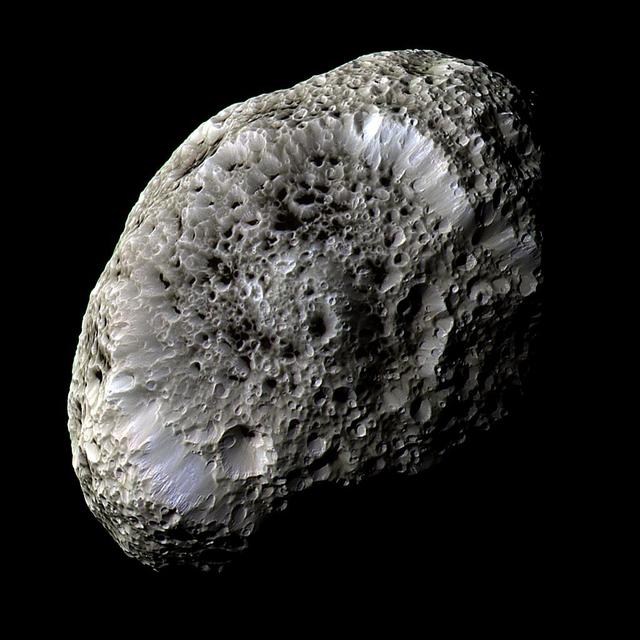 HyperionHyperion looks like a giant sponge and is not round but potato-shaped.
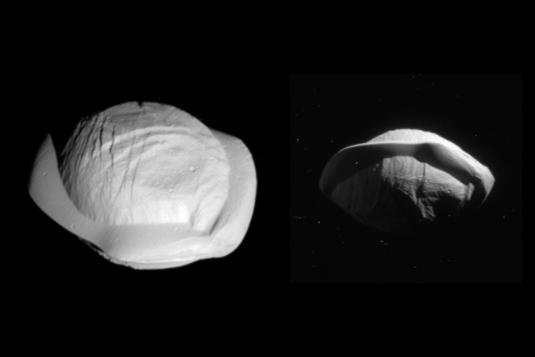 PanPan looks like a ravioli or a walnut: a ridge of ring material has built up around its equator.
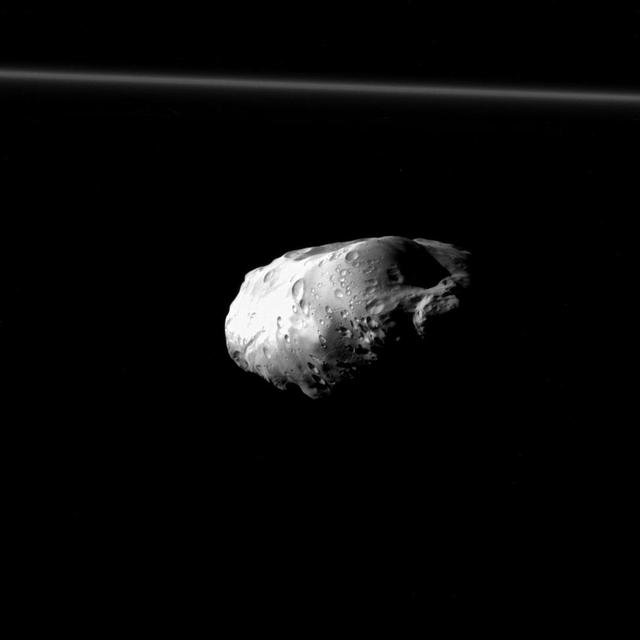 PrometheusTogether with Pandora, Prometheus is a “shepherd” of Saturn's narrow F ring.
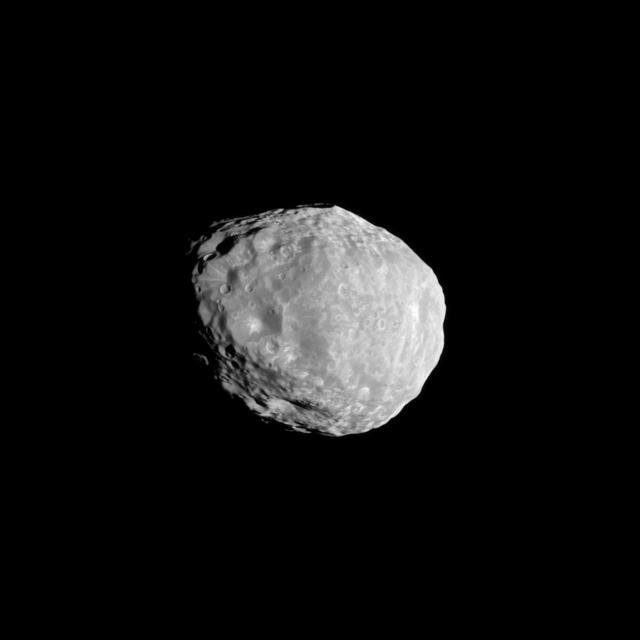 JanusJanus shares its orbit with Epimetheus – and every four years the two swap places.
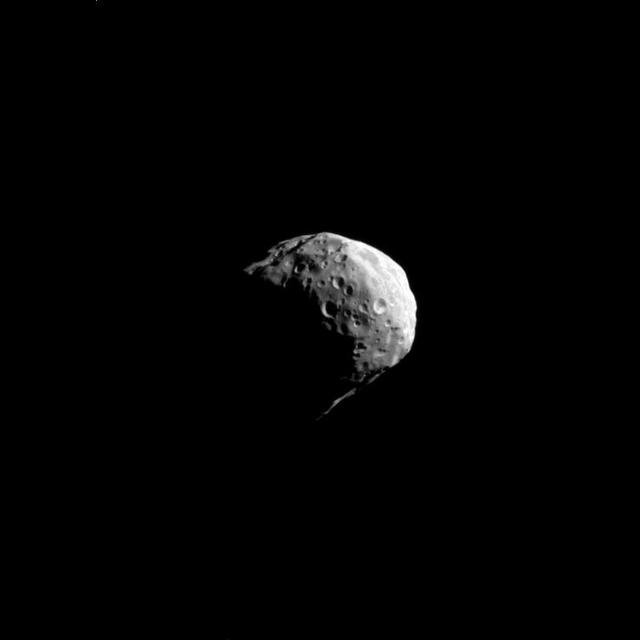 EpimetheusEpimetheus is Janus's “orbital partner”: when the two come close, gravity nudges each onto the other's orbit.
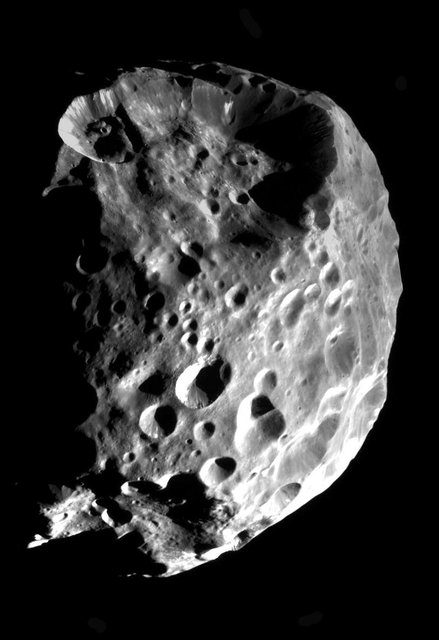 PhoebePhoebe orbits Saturn backwards and far out – probably a captured body from the outer Solar System.
Moons of Mars
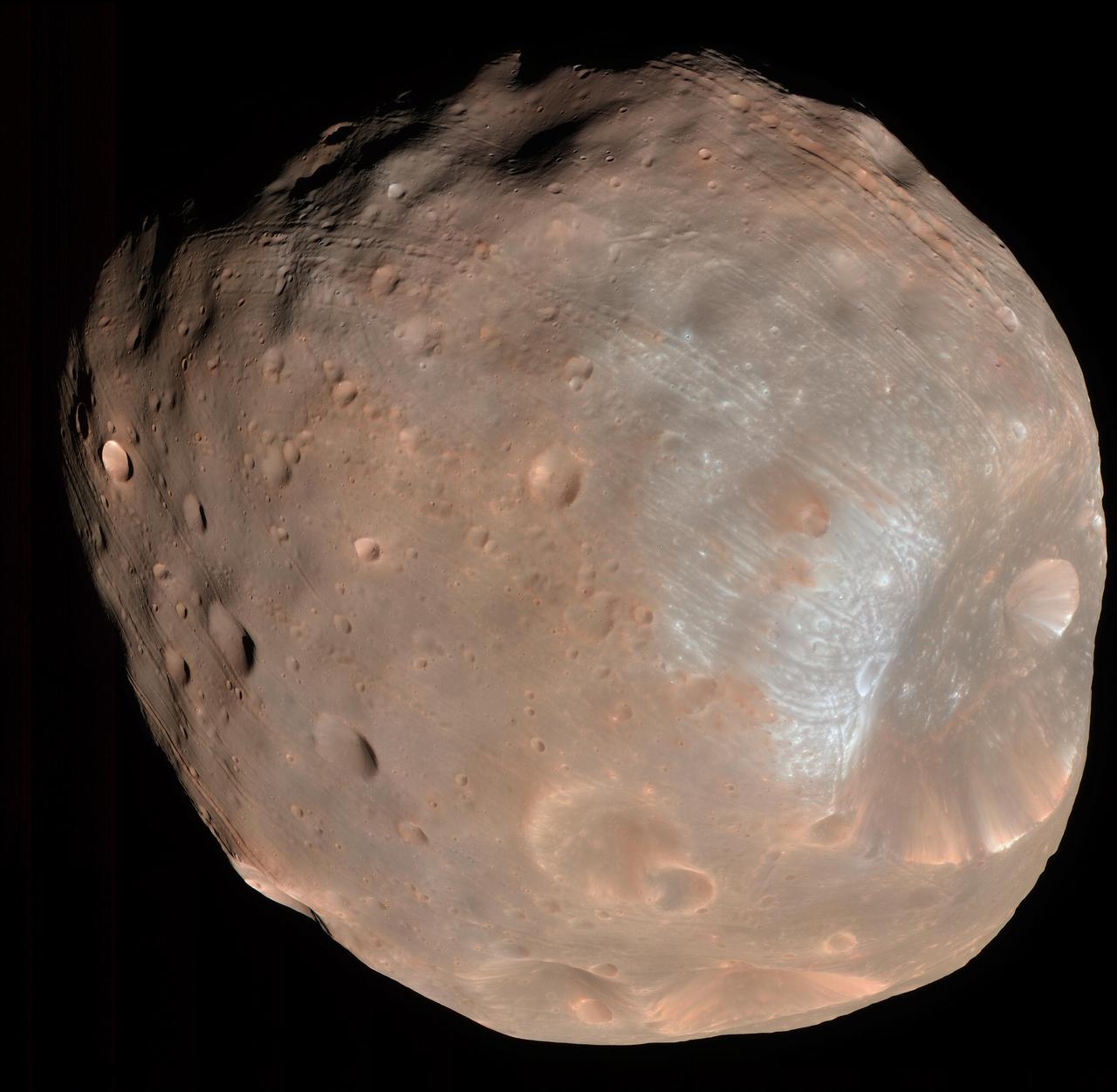 PhobosPhobos orbits Mars faster than Mars rotates: seen from Mars, it rises in the west and sets in the east …
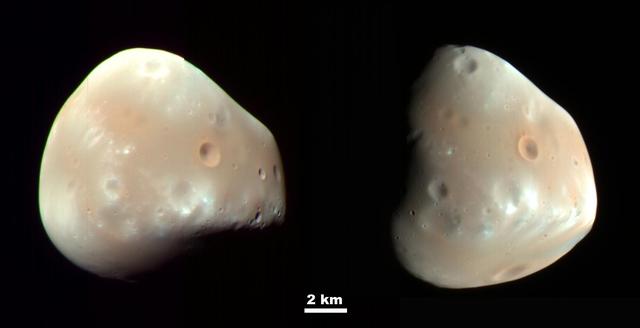 DeimosPhobos and Deimos mean “fear” and “dread” – after the sons of Ares, the god of war (Roman: Mars).
Moons of Uranus
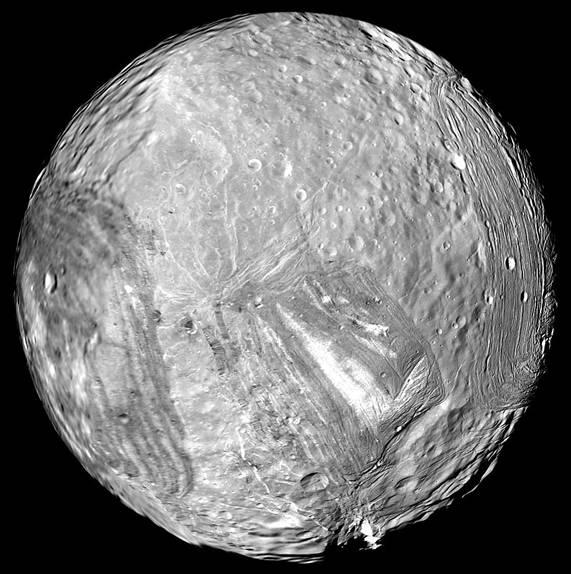 MirandaMiranda has what is probably the highest cliff in the Solar System: Verona Rupes is up to 20 km high.
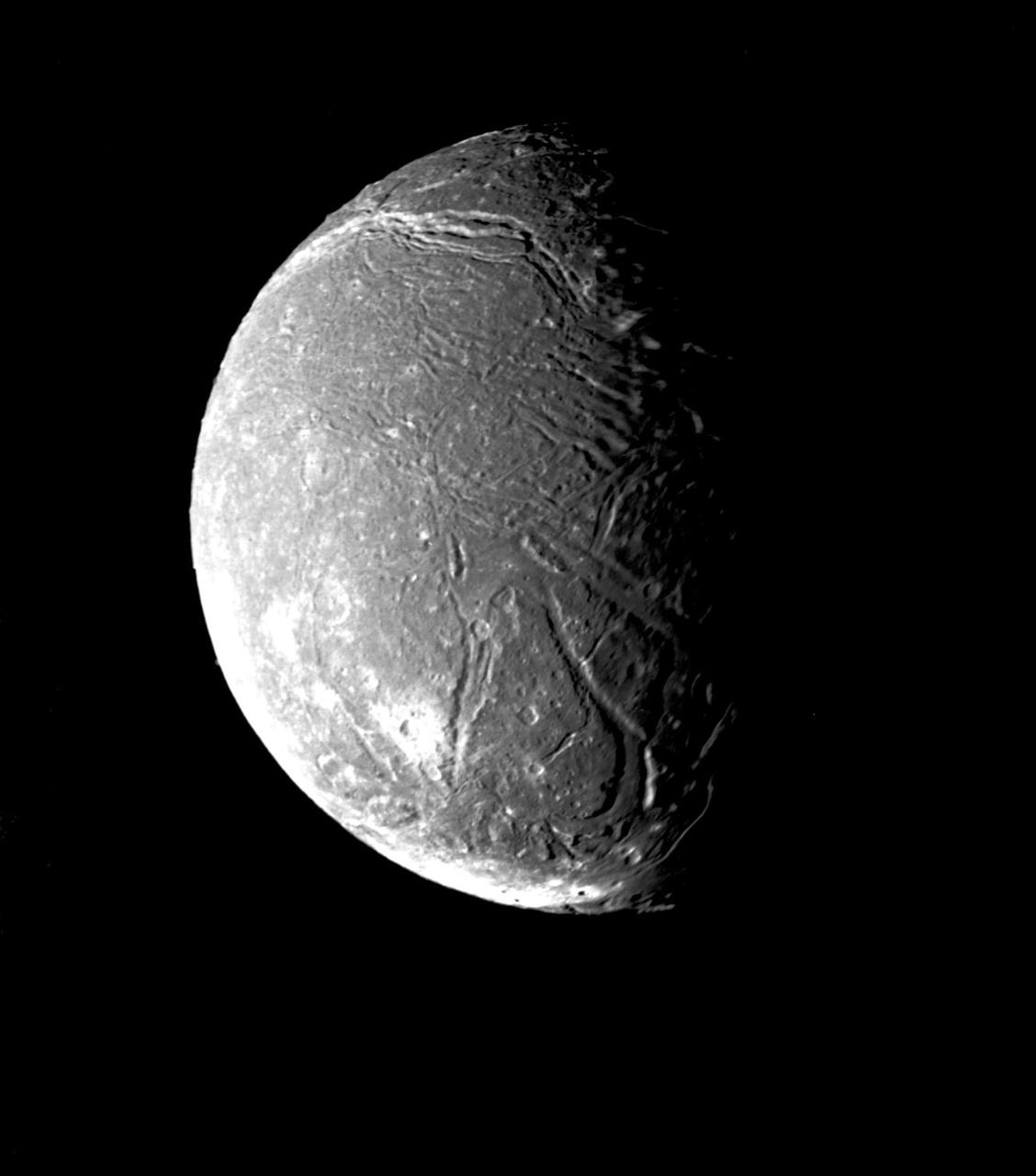 ArielAriel is the brightest moon of Uranus and has the youngest surface – with relatively few craters.
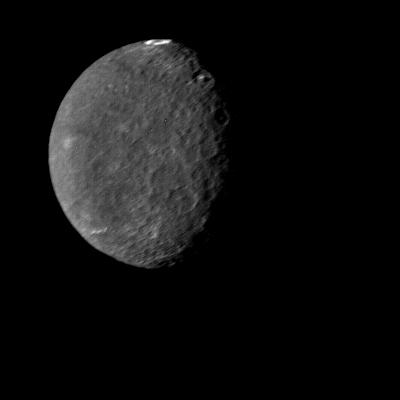 UmbrielUmbriel is the darkest of Uranus's large moons.
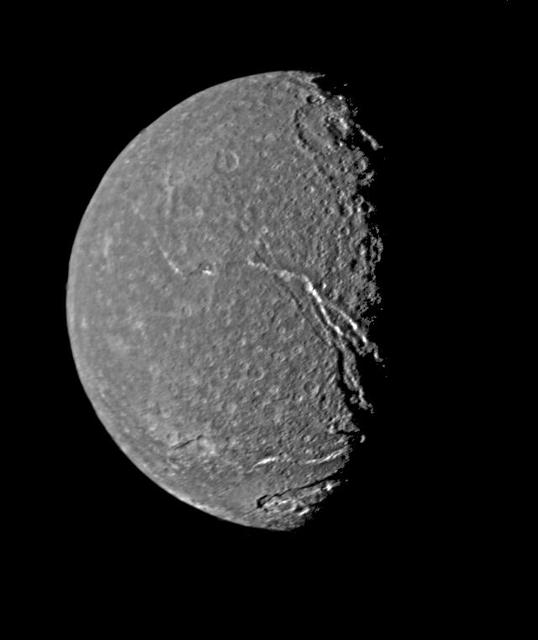 TitaniaTitania is the largest moon of Uranus and the eighth-largest moon in the Solar System.
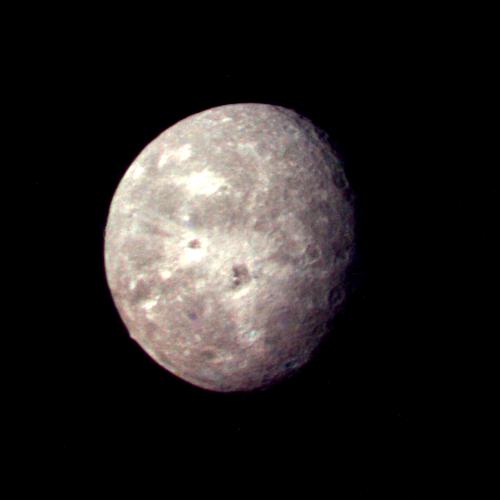 OberonOberon is the outermost of Uranus's large moons.
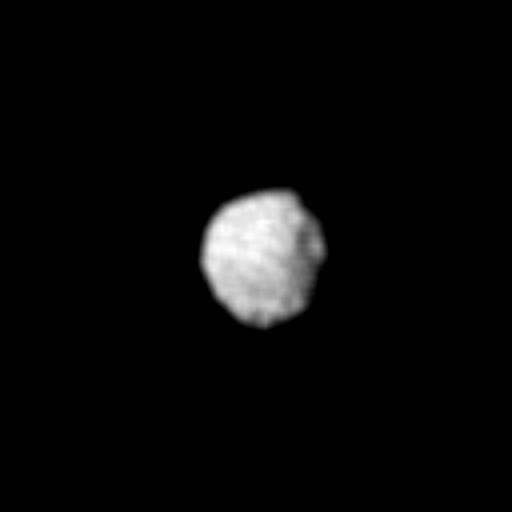 PuckPuck was discovered by Voyager 2 in December 1985 – a few weeks before its flyby of Uranus.
Moons of Neptune
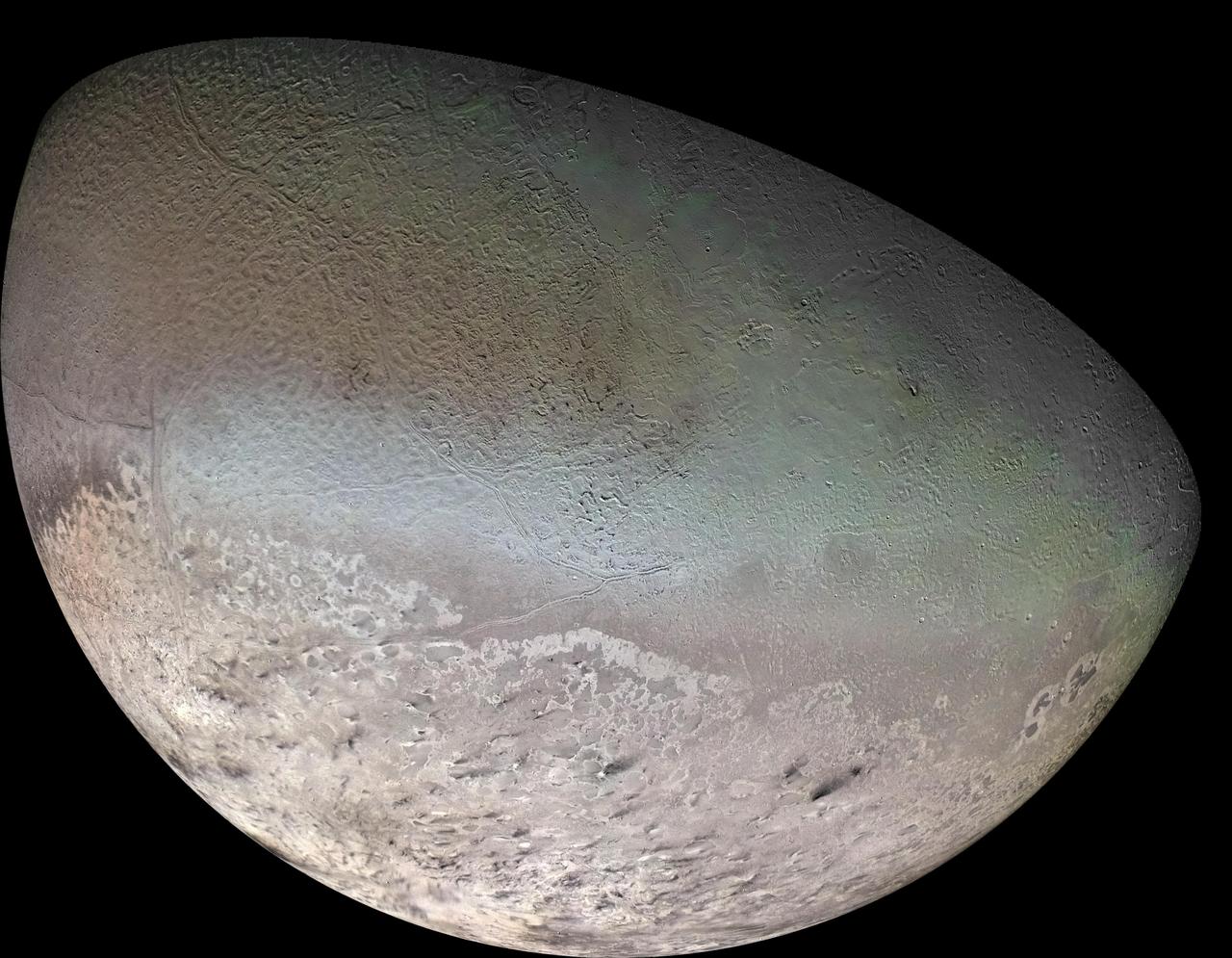 TritonTriton orbits Neptune backwards – it was probably captured from the Kuiper Belt and is a “cousin” of Pluto.
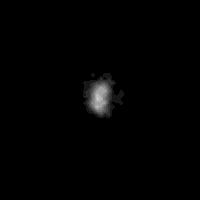 NereidNereid has one of the most elongated orbits of any moon: its distance from Neptune varies between 1.4 and 9.7 …
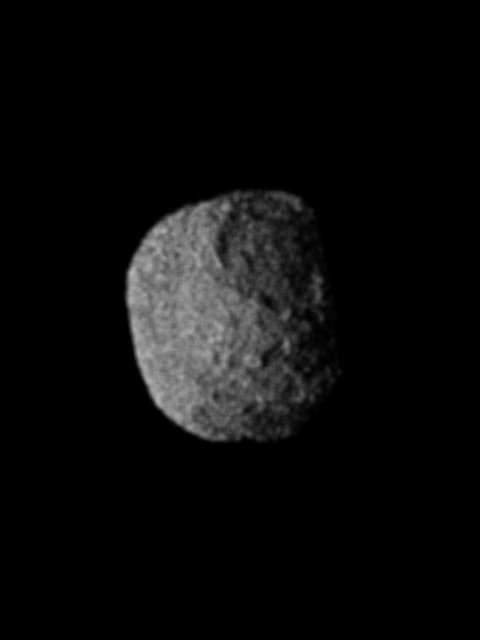 ProteusProteus is Neptune's second-largest moon – yet it was not discovered until 1989, by Voyager 2, because it is …
Moons of Pluto
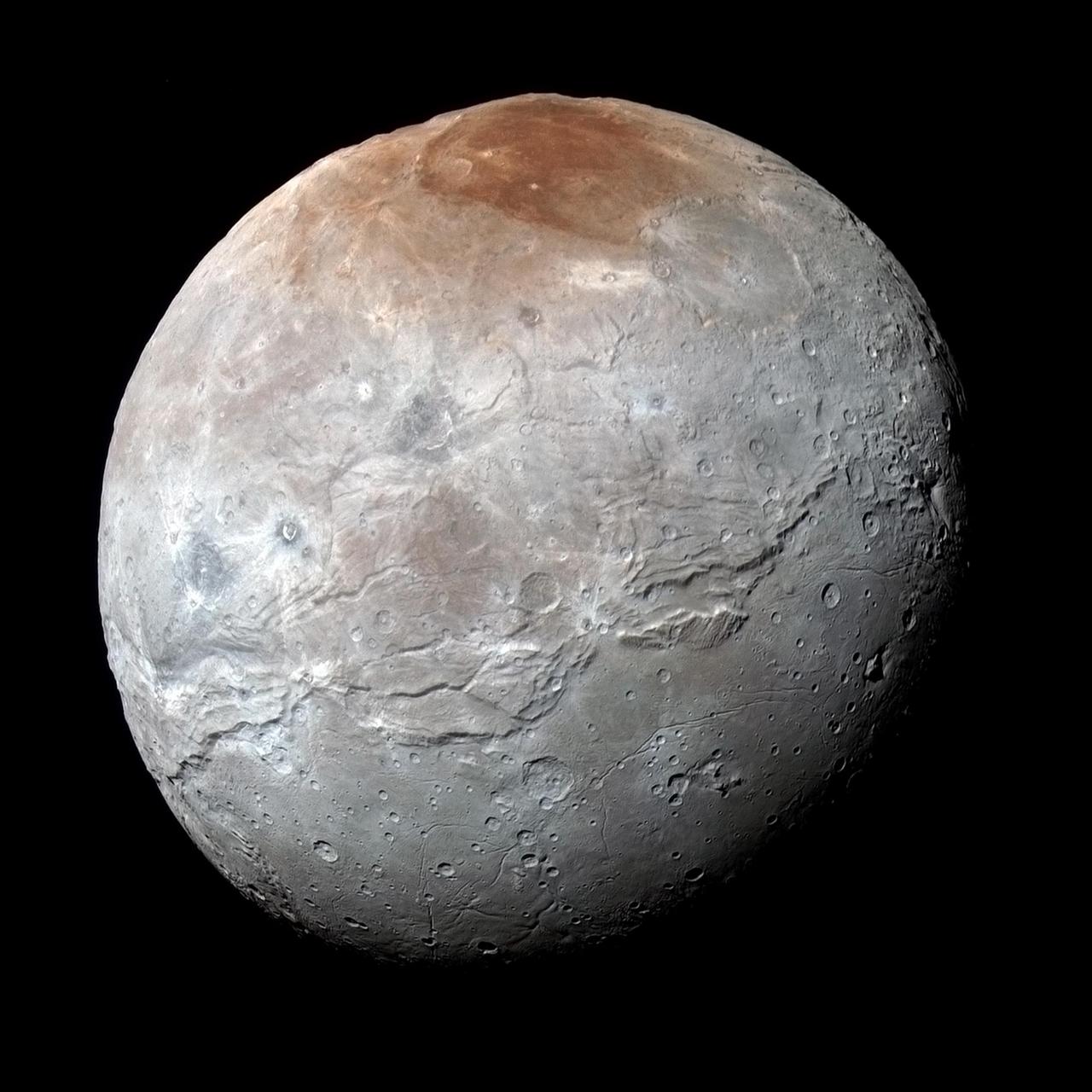 CharonCharon is half the size of Pluto – the two circle a shared point between them and almost count as a double …StyxStyx is the smallest of Pluto's five moons, only about 16 x 9 x 8 km in size.
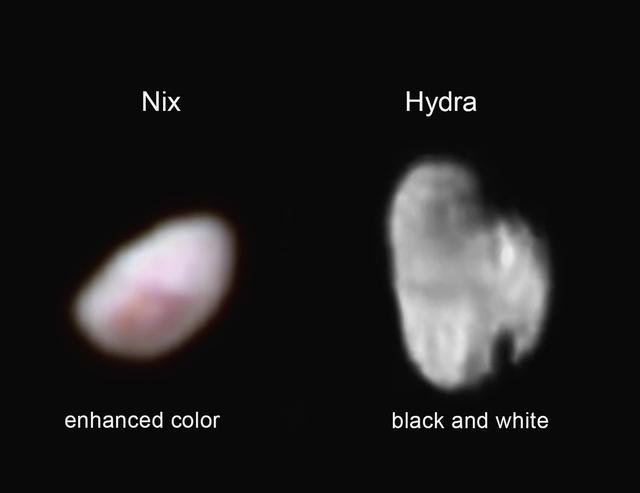 NixNix (around 50 x 35 x 33 km) tumbles chaotically – like all of Pluto's small moons, which are tugged to and …
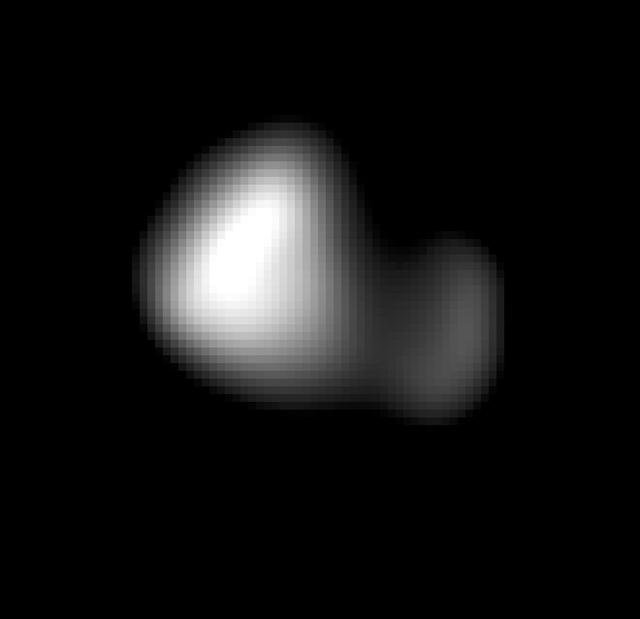 KerberosKerberos looks like two lumps stuck together (around 19 x 10 x 9 km).
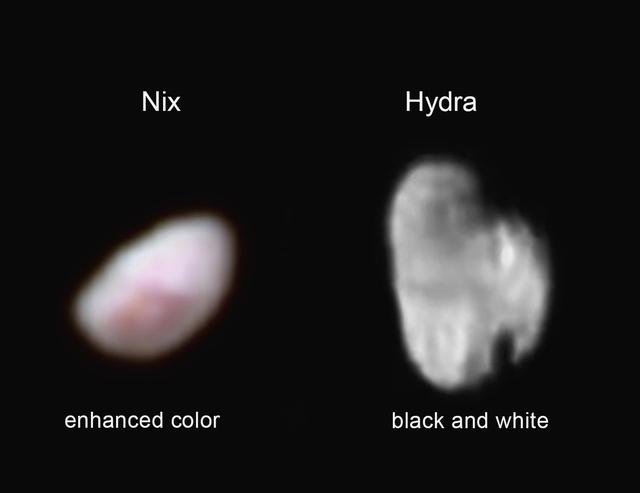 HydraHydra is Pluto's outermost moon (around 51 x 36 x 32 km).
Moons of Eris
Moons of Haumea
NamakaNamaka is the smaller and inner of Haumea's two moons.HiʻiakaHiʻiaka is the larger and outer moon of Haumea, around 320 km across.
Moons of Makemake
This site is free and has no banner ads. Here is how you can support it